The key character featured within our opening sequence is Huge Green. When deciding what our main character should include in areas such as personality and looks, we wanted to conform to the conventions of many thriller detectives.
This decision is clearly shown through
the visual choices we made such as costume. For example, our character Huge
Green appears in the opening wearing a long black trench coat, which is known
as one of the many symbolic things about a detective, helping the audience to
immediately identify his characters occupation. Another item of costume is a
white, V-neck collared shirt which is paired with black, smart trousers and
black leather shoes.


This style of costume is very similar to
the one that appears on the character of Sherlock Holmes in the BBC program.
Actor Benedict Cumberbatch wears a long black trench coat, similar to Green and
pairs it with a scarf. This symbolic coat also is featured on another range of
detective characters such as Sam Spade in 1941 film The Maltese Falcon.

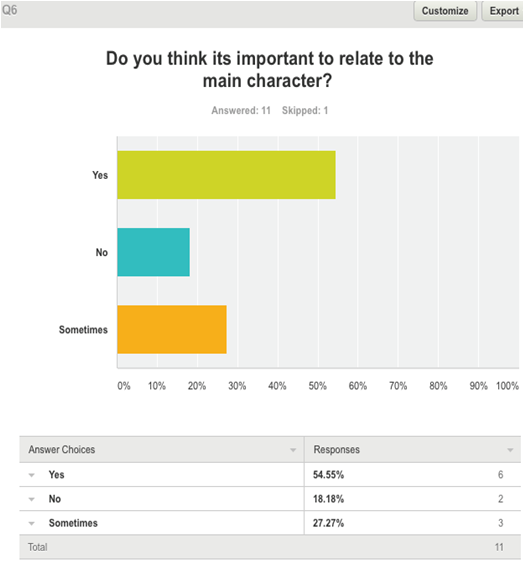
The role within our sequences of the main character, Huge Green, is to be a lone detective who loses his partner. The audience are supposed to empathize with Green and see his determination to solve every case. The audience should also be able to see that Green is a little different, making him a more interesting character. Therefore we made him older in age to signify his experience as a detective but also that he is a serious character which will not allow the audience to connect with Green to much as the genre is a thriller and therefore the audience's main attention should be focused on the narrative and not the characters, Green having a strong and serious personality will enforce this.

The role of Green within our opening sequence shares a similarity to that of Brad Pitt's character, detective David Mills, in the 1995 thriller Se7en. Mill's is a detective who is transferred to a large city to work on a case about a psychopath. This connects to our Green through the shared detective occupation but also to the idea of being the lone detective. Later on in Se7en, Mill's wife is murdered by the killer he's hunting which in turn is the same narrative featured in our sequence. Both detectives lose a companion to the criminal their searching for leaving them alone and lonely.

My opening sequence portrays Green personality as being hard working and independent through the office footage. The aim of Green was to make him appear intelligent and alert. He is represented as being aware of his surroundings and himself. Green is passionate about his job and is extremely good at it. Green also comes across as being strong minded and liking his own company.
These characteristics are relatively too
similar to that of the character detective Rustin Cohle, featured in True
Detectives and portrayed by Matthew McConaughey. Cohle
has also suffered a loss, however of his daughter, and suffers the same as
Green with the loss of his partner. Both characters are independent and head
strong with Cohle keeping himself to himself. Both characters suffer from the stress of their detective occupation which is represented through Green sometimes appearing
worn out and tired.

Although there are many similarities between other detective characters portrayed in a variety of media in terms of appearance, costume, role in film and personality. There are also a large number of differences when it comes to the character of our opening sequence, Huge Green.
One of the vital main differences is that all the previously mentioned
characters. Despite their
personality traits of being independent people, they all have a
supporter/partner. This is a difference within my opening as Green's partner is
the one who died alternatively to having someone who helps him solve the
mystery. Sherlock Holmes has Doctor Watson, David Mills has
Detective Somerset and Rustin Cohle's partner is Martin Hart.


The other character featured within my opening sequence is that of the anonymous antagonist. Within the planning stages of my opening we decided the character represented would be featured in a range of extreme close ups in order to help keep the mystery of their identity but also to help the suspense we wished to create. However, the antagonist was represented in these shots completing actions such as cutting up photos and organizing chains. Due to the abnormality of the footage from everyday life we decided that our mystery antagonist should suffer from a mental illness resulting in his character being related to a psychopath - a common conventional character for an antagonist within a thriller.
Another antagonist who shares a similar characterization as my own antagonist is Norman Bates featured as a psychopath in the 1960's film Psycho, directed by Alfred Hitchcock. Bates visual character is young and good looking with Hitchcock wanting him to be relatable, resulting in his character being represented as 'the boy next door'.
The antagonist represented within our opening sequence is of similar characterization. Although he is visually not seen in the opening, he is mid twenty's and attractive. I wanted the character to be someone the audience could like meaning the twist that he was actually the killer even more surprising. Therefore, in order for the audience to empathize and connect to the character i wanted to make him visually appropriate, however due to the use of close ups the audience also need to sympathize with the character and see his struggles as he struggles with the demons in his head, regarded as his mental illness.